What’s That Coin Worth? A Practical, Step-by-Step Guide to Checking the Value of Old Coins
Finding an old coin in a jar, a pocket, or a safety deposit box can feel a lot like discovering a small buried treasure. You flip it over, squint at the date, and wonder: is this something a dealer will swoon over, or is it just a neat piece of metal? The short answer is: it depends. The longer answer — which is what this article gives you — explains how to identify, authenticate, grade, research, and ultimately decide what a best coin identifier app is worth in today’s market. I’ll walk you through practical steps, reliable resources, and common traps so you can check coin values with confidence.
Why Coin Values Fluctuate (and Why That Matters for You)
Coins don’t have a single fixed value. Their worth moves with the tides of the market. Metal content, collector demand, rarity, condition, provenance, and even the current price of gold or silver all play a role. A coin that was quiet on the market five years ago can suddenly become sought-after because a new study identified a previously overlooked die variety, or because a popular collector built a new type-specific registry that raised demand.
Understanding this volatility matters because the number you see in a price guide is a snapshot — a useful one, but not gospel. Price guides and catalogs give ballpark values for typical examples in typical conditions. Exceptional specimens, rare error coins, or pieces with strong provenance can significantly outpace book values. Conversely, coins with cleaning damage, obvious repairs, or authentication doubts can sell for much less than the guide suggests.
First Steps: Identify the Coin
Before you can value a coin, you must know exactly what it is. Identification is where most mistakes happen. Spend time here; accurate identification saves both money and time later.
Date and Mint Mark
Look for the date first; that anchors the coin to a time. Then find the mint mark: a small letter or letters that tell you which mint produced the coin. In U.S. coins, for example, “S” stands for San Francisco, “D” for Denver, “P” for Philadelphia (less commonly marked), and “CC” for Carson City on older coins. Mint marks change location depending on the series and year, so use a reliable reference to confirm where it should be on your coin.
Denomination, Design, and Composition
Next, confirm the denomination — penny, nickel, dime, quarter, half dollar, dollar — and note the design (e.g., Morgan, Peace, Mercury, Lincoln, Roosevelt). Many series underwent design changes or had multiple subtypes. Also check the metal composition. Is the coin copper, silver, gold, or a clad composition? A quick look can tell you a lot (silver coins have a different hue; gold coins are obvious), but for precise composition and weight, use a scale and reference data.
Varieties and Errors
Small differences matter. Doubling, repunched mint marks, overdates, and die cracks are varieties that can make a modest coin suddenly interesting. Some errors, like off-center strikes or planchet defects, carry significant premiums. When in doubt about whether a particular mark is a variety or post-mint damage, photograph the coin (multiple angles, good lighting) and compare with online databases or ask a specialist.
Grading Basics: Condition Matters More Than Many People Think
Collectors are obsessed with condition because coins, like any collectible, are graded on a scale that dramatically affects price. The most commonly used scale is the Sheldon scale, which runs from 1 to 70. The higher the number, the closer the coin is to perfect mint condition.
| Sheldon Grade | Short Description | What to Look For |
|---|---|---|
| 1–3 (Poor–Fair) | Heavily worn, date and details often barely readable | Smooth surfaces, major loss of design, often damaged |
| 4–10 (Good–Very Good) | Obvious wear, most major details visible | Letters and major devices visible but flat; rims may be worn |
| 11–20 (Fine–Very Fine) | Moderate to moderate-heavy wear | Major elements present, some finer features visible |
| 21–45 (Extremely Fine–About Uncirculated) | Light wear on high points | Most details clear; minimal flattening; sharp rims |
| 46–70 (Mint State) | No wear; ranges from average to perfect strike and luster | Surface marks and strike quality separate the grades within MS |
Grading is both art and science. Damage, cleaning, scratches, and environmental spots all reduce a coin’s grade and its value. For common-date coins, even a single grade change can mean a big difference in price. For rarities, a high-grade example can be worth exponential multiples of a low-grade piece.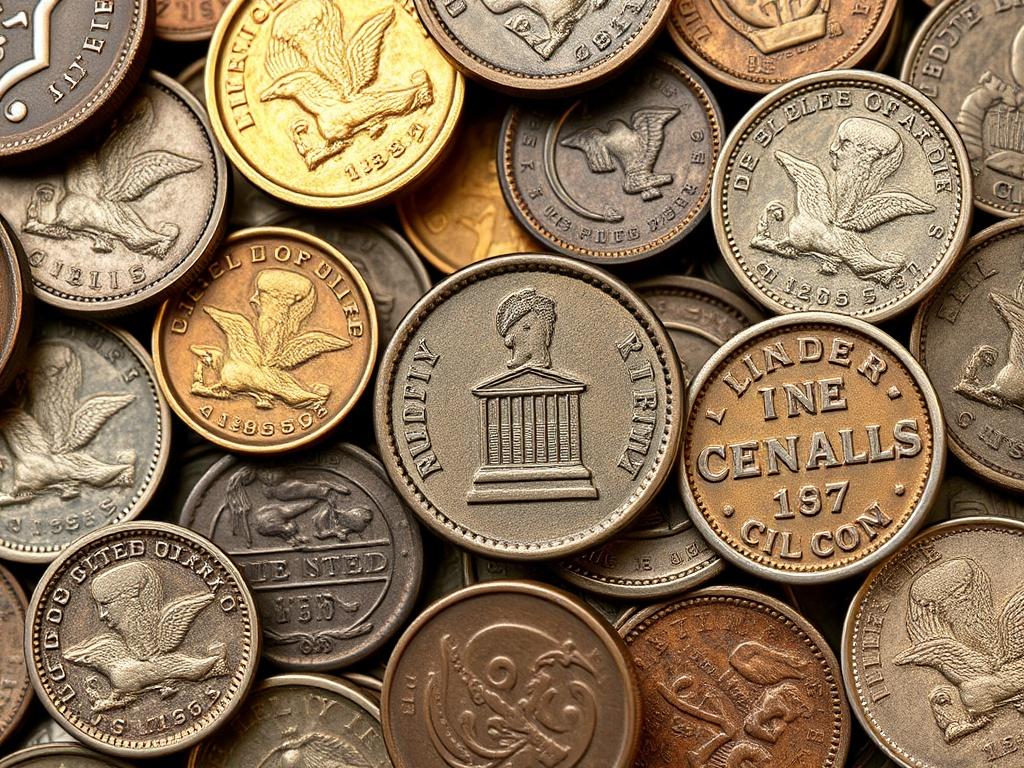
Authentication and Certification: When Slabs Matter
If you think you have a valuable coin, professional authentication and grading can be worth the cost. Reputable third-party grading services such as PCGS (Professional Coin Grading Service), NGC (Numismatic Guaranty Company), and ANACS have become the industry standard. They verify authenticity, assign a grade, and seal the coin in a tamper-evident holder commonly called a slab.
Slabbed coins sell more easily and often command higher prices because buyers accept the grade and authenticity. But slabs can be forged too, so learn the security features of legitimate holders and buy from trusted sources. If a slab looks off — wrong font, fuzzy hologram, or irregular holder — get a second opinion.
Before you send coins off for grading, evaluate whether it’s worth the fee. Grading fees, shipping, and insurance can add up. Generally, grading makes sense when the expected increase in sale price exceeds the costs.
Tools of the Trade: What You Need at Home
You don’t need a laboratory to begin assessing coins. A few basic tools let you document and compare responsibly:
- 16x or 20x jeweler’s loupe for close detail inspection.
- Digital scale (0.01 g precision for small coins) to confirm weight.
- Calipers or a micrometer to measure diameter and thickness.
- Good light source and macro-capable camera or smartphone for photos.
- Reference books and internet access for comparison images and data.
Do not use household chemicals or abrasive cleaners on coins. Cleaning destroys collector value. If you see verdigris, corrosion, or encrustation and think the coin might be valuable, consult a professional before attempting to clean it.
Researching Market Value: Where to Look and How to Use What You Find
Once you’ve identified and roughly graded a coin, it’s time to research. Multiple sources give a better picture than relying on a single price book. Here are reliable research tools and how to use them:
| Resource | What It Provides | Best For |
|---|---|---|
| Red Book (A Guide Book of United States Coins) | Year-by-year retail estimates, mintage figures, historical notes | Quick offline reference for U.S. coins |
| PCGS and NGC price guides | Dynamic price data, population reports, photographs, registry results | Understanding current market trends for graded coins |
| CoinArchives / Heritage Auctions / Stack’s Bowers | Auction sale records and realized prices | Actual market results for rare pieces |
| eBay Sold Listings | Recent retail-level sale prices | Gauge what buyers pay in the open market for similar items |
| Numismatic forums and specialist sites | Expert discussion, variety identification, shared photos | Help with tricky attributions or die variety ID |
Use multiple sources. For example, compare the Red Book value for an approximate grade to recent auction results for similar grades and check eBay sold listings to see what ordinary collectors are paying. Auction results show what buyers will actually pay for exceptional or rare pieces; online marketplace results reveal retail-level interest and prices for more common examples.
Factors That Change a Coin’s Value
Once you’ve learned what the coin is and what condition it’s in, consider these value multipliers:
- Mintage and survival rate: A low mintage helps, but a low survival rate is more important. A common-date coin in mint state can still be scarce if few examples survived.
- Condition rarity: Some dates are common in low grades but rare in high grades. These command premiums.
- Errors and varieties: True mint errors and recognized die varieties can transform a coin’s value.
- Historical significance and provenance: Coins tied to famous collections or with verified historical provenance may fetch higher prices.
- Metal content: Gold and silver coins have a baseline value tied to metal prices; above that, numismatic value depends on rarity and condition.
- Eye appeal: Attractive toning or strong luster raises value; unattractive spots or cleaning reduces it.
What to Do When You Find a Potentially Valuable Coin: A Practical Checklist
- Don’t clean the coin. Cleaning almost always reduces value.
- Photograph both sides clearly in natural or white light. Multiple angles help.
- Note the date, mint mark, and any obvious varieties or errors.
- Weigh and measure the coin, and compare to known specifications for that issue.
- Consult at least two price sources (Red Book, PCGS/NGC price guides, and recent auction results).
- Post photos to a reputable numismatic forum or ask a dealer for an initial opinion if you’re unsure.
- If the coin appears to be rare or valuable, consider third-party authentication/grading.
Selling Your Coins: Options and Tips
When it’s time to sell, you have several paths, each with pros and cons. The right choice depends on speed, expected price, fees, and how much work you want to do.
Local Dealers
Local dealers offer quick transactions and convenience. However, they need a margin to resell, so expect offers below retail. Ask for multiple offers from reputable dealers and check dealer reviews or ask for references.
Auction Houses
For high-value or rare coins, auction houses with strong numismatic clientele can achieve the best prices. Auctions charge commissions and fees, and results are not guaranteed—selling price depends on the market and the presentation of the lot. High-quality photos and provenance increase success.
Online Marketplaces and Consignment
eBay, Heritage, and other online platforms let you reach many buyers. They require effort: good listings, shipping, and handling returns. Consignment to auction houses or dealers can ease the process at a cost.
Sell to Collectors
Direct sales to collectors often earn the best net price because there’s no dealer markup. Finding buyers takes time: specialized forums, collector clubs, and registry sets are good places to start.
Protecting and Preserving Old Coins
How you store a coin affects its future value. Rust, corrosion, and handling marks can ruin an otherwise nice coin. Follow these basic storage rules:
- Handle coins by the edges; oils from fingers damage surfaces.
- Store in inert holders like Mylar flips, archival-quality envelopes, or PCGS/NGC holders.
- Keep coins in a stable, low-humidity environment. Use silica gel packets in storage boxes.
- Avoid PVC flips or any material that emits chemicals over time; these cause green sticky film on coins.
- For very valuable coins, maintain permanent documentation: purchase receipts, provenance notes, and photographs.
Common Pitfalls and How to Avoid Them
New collectors and sellers often fall into the same traps. Here are the ones I see most often and how to sidestep them:
- Cleaning a valuable coin: Never clean. Even gentle cleaning can reduce collector value dramatically.
- Assuming face value equals worth: Most old coins are worth more than face only if they have numismatic value or contain precious metals beyond face value—do your homework.
- Relying on a single price guide: Use multiple sources to triangulate value.
- Falling for instant-buy pitches: “We’ll make an offer today” is fine, but if it’s dramatically below book without justification, get another opinion.
- Ignoring certification on high-value coins: Grading protects both buyer and seller on high-ticket items; buyers often prefer slabbed coins.
When to Get a Professional Appraisal
If you believe a coin or collection might be worth thousands of dollars, or if you’re preparing for estate settlement, insurance, or sale, professional appraisal is the right move. Choose a credentialed numismatist or appraiser affiliated with recognized organizations or with references from established auction houses. Ask about fees up front and whether the appraiser buys or sells coins; an independent appraiser who doesn’t trade is usually best for unbiased valuation.
Appraisals should include a written report with photographs, a market comparison, condition assessment, and an independent value estimate. Keep the report with your records; it streamlines selling and insuring the pieces later.
Useful Resources: Where to Learn More
Here are resources to keep bookmarked and handy. Use them often to refine your skills.
- Books: Red Book (A Guide Book of United States Coins), specialized series guides for Morgan dollars, Liberty Head gold, etc.
- Grading Services: PCGS, NGC, ANACS websites for price guides, population reports, and educational articles.
- Auction Archives: Heritage Auctions, Stack’s Bowers, and CoinArchives for realized prices.
- Online Marketplaces: eBay sold items, LiveAuctioneers, and individual dealer websites.
- Forums and Communities: CoinTalk, Collectors Universe forums, and specialty Facebook groups for peer feedback.
At-a-Glance Quick Reference Table
| Situation | Best Immediate Action | Who to Contact |
|---|---|---|
| Obvious rare date or unique error | Photograph, avoid cleaning, get professional opinion | Specialist dealer or auction house |
| Common-date coin in excellent condition | Check graded price guides and eBay sold listings | Online marketplaces, graded service if high value |
| Large collection you want to sell | Inventory, photograph, get multiple dealer appraisals | Reputable local dealers, auction houses for consignment |
| SUSPECT counterfeit | Do not sell; secure the coin and seek authentication | PCGS/NGC submission or specialist numismatist |
Final Thoughts: Patience Pays
Checking the value of old coins is equal parts detective work and market research. Take your time identifying the coin, documenting its condition, and consulting reputable sources. When a coin is genuinely rare or valuable, professional authentication and a thoughtful sales plan can multiply what you’ll ultimately receive. When it’s common, understanding the market prevents disappointment and helps you find the best retail route.
Coins have an odd way of being both simple and endlessly complicated. A worn penny might be worth its face value and sentimental memory; a similarly worn coin with the right date and mint mark might be a small treasure. Learn the basics, rely on trusted resources, and when in doubt, ask experts. Curiosity and care will serve you well — and who knows? That handful of coins clipping around in a drawer could be the beginning of something much richer than you expected.